

Movie Review: A Tribe Called Judah by Funke Akindele
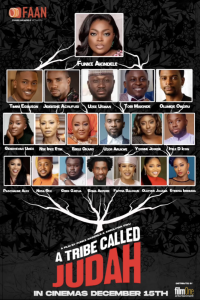
A Tribe Called Judah, the latest offering from Funke Akindele, hit Nigerian cinemas on December 15th, promising a blend of family drama, comedy, and even a heist thrown into the mix.
The film tells the story of Jedidah, a Lagos hustler raising five sons from five different fathers. With each son possessing a distinct personality and penchant for trouble, Jedidah’s life is a whirlwind of laughter, tears, and the occasional brush with the law.
While the film has its undeniable charms, a closer look by ReviewIT reveals both its strengths and weaknesses, making it a mixed bag for global audiences. As your best friend on the streets, we have dissected the movie just for you!
On Funke as Mama Judah — hit or miss?
Funke Akindele shines as Jedidah, the heart and soul of the film. Her portrayal is nuanced and relatable, capturing the resilience and resourcefulness of a single mother navigating the bustling streets in Nigeria.
She’s fierce when protecting her sons, funny when cracking jokes, and heartbreaking when confronting past demons. It’s a tour-de-force performance that resonates with many Nigerian women, especially single mothers who are juggling motherhood and life’s challenges.
Brothers in Masks, Trouble in Tow: The Judah Brothers
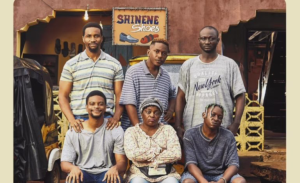
The five Judah brothers add a vibrant dimension to the story. From the eldest Emeka, the responsible one trying to hold the family together, to the youngest Ejiro, the charming artist with a penchant for mischief, each son brings his unique flavour to the mix. Their bickering and occasional brushes with petty crime create a lively dynamic that reflects the realities of many Nigerian families.
The Judah Heist: Hit or Miss?
The film takes an unexpected turn when the brothers, motivated by Jedidah’s life-threatening illness, hatch a plan to rob a high-end furniture showroom suspected of money laundering to raise money for Jedidah’s treatment.
This heist sequence has its thrilling moments, but it also suffers from plot conveniences and unrealistic execution. The ease with which the heist was planned and the coincidental jam with another robbery gang was too random. Some fighting and gunshot scenes were also avoidable. The Judah’s getaway plan got foiled and an unforeseen backup emerged, how convenient!
Unanswered Questions and Dollar Discrepancies:
The film introduces intriguing characters like Chairman Chidokie, the money launderer, and hints at corruption within the Nigerian financial system. However, these aspects remain underdeveloped, leaving us with more questions than answers. Additionally, the film’s focus on dollars as the currency of crime feels out of touch with the realities of most Nigerians. While money laundering might involve foreign currency, the prominence of dollars could alienate viewers who rarely encounter them in daily life.
Testimony and the rest of them…
The film showcases several noteworthy performances, with the Judah family at the centre of the story. Beyond the immediate family, there is Testimony, the youngest Judah’s girlfriend. Acted by Genoveva Umeh, her role stands out for its ability to inject humour into serious situations. The complexity of her character with the display of extreme depth of love and affection makes her both entertaining and formidable, adding depth to the film’s narrative.
In addition to Testimony’s performance, the movie’s action-packed final scenes would not have been as exciting without the contributions of Ibrahim Itele, who played the “good boys gang leader.” His strategic and actionable approach to the role made him a saviour for the Judahs, ultimately guiding them to the promised land.
On Corruption
The spectre of corruption lurks like a Lagos Lastma official throughout “A Tribe Called Judah.” It whispers in the high-end furniture showroom suspected and later proven of money laundering, drips from the ease with which the Judah brothers plan their heist, and lingers in the affairs of the security personnel who colluded with the Judah brothers on the heist. The film doesn’t shy away from showcasing the seductive lure of ill-gotten wealth, the desperation it breeds, and the moral dilemma it creates. The brothers’ heist, motivated by their mother’s illness, blurs the lines between desperate need and opportunistic exploitation, forcing us to grapple with the complexities of individual choices within a corrupt system, a situation that reflects the reality of our country, Nigeria. A Tribe Called Judah leaves us pondering: how do we rise above the shadows when the very air we breathe is tainted?
Emotional Core
Jedidah’s fierce devotion to her sons forms the film’s emotional core. She shields them, guides them, and fights tooth and nail to keep them together. In turn, the brothers, despite their bickering and occasional mistakes, remain fiercely loyal to their mother and one another. Their bond transcends blood ties, forged in the crucible of shared hardships and unconditional love. Even the heist, however flawed, is driven by their loyalty to their mother, showcasing the twisted logic of love in the face of desperation. A Tribe Called Judah reminds us that in the darkest corners, loyalty can still blaze, offering a compass to navigate the storms of life.
Overall, A Tribe Called Judah is a film that resonates with raw honesty. It celebrates the unwavering strength of family bonds, confronts social realities with unflinching courage, and raises crucial questions about navigating individual choices within a complex system.
Here is how we rate the movie:
On story and plot;
Originality and Structure: 8/10
Character Development: 5/10
Character and Characterization: 10/10
Dialogue: 9/10
On technical aspects;
Cinematography: 10/10
Editing: 10/10
Sound Design and Music: 10/10
Special effects: 9/10
On Impact and Themes;
Emotional Resonance: 10/10
Thematic Depth: 5/10
Lasting Impression: 8/10
Let us know what you think about our review of A Tribe Called Judah in the comment section, cheers!


